Top Ad Networks for Performance Marketing in 2025
Key Takeaways:
• Performance marketing in 2025 is outcome-driven. Success is measured through ROAS, CAC, LTV, and overall funnel efficiency—not just clicks or impressions.
• Ad networks have evolved into AI-powered growth engines. Platforms now handle bidding, targeting, and optimization using machine learning and behavioral data.
• Google Ads remains the strongest platform for capturing high-intent demand, making it essential for predictable and scalable acquisition.
• Meta Ads excel at discovery and creative-driven performance, helping brands reach new audiences and drive repeat engagement.
• Amazon Ads dominate lower-funnel performance for product-led brands because purchase intent is already present within the marketplace.
• Short-form video platforms like Instagram Reels, YouTube Shorts, and Indian apps (Moj, Josh, ShareChat) are becoming powerful demand-generation channels.
• LinkedIn Ads remains the most effective platform for B2B performance marketing, offering precise professional targeting despite higher costs.
• Successful brands don’t rely on one platform—they orchestrate multiple networks across the funnel to capture demand, create discovery, and drive conversions.
• Future-ready performance teams invest in first-party data, cross-channel measurement, and scalable creative systems to overcome rising acquisition costs and attribution challenges
Performance Marketing Trends in 2025
Performance marketing in 2025 is no longer about running ads on a single platform and tracking clicks. It’s about building predictable, scalable growth systems powered by data, AI, and cross-channel intelligence.
As customer journeys become more fragmented and privacy reshapes targeting, ad networks have evolved into full-funnel growth engines. Choosing the right platforms—and combining them strategically—now determines how efficiently a brand can acquire, convert, and retain customers.
This guide breaks down the top ad networks for performance marketing in 2025 and explains how Indian brands should think about selecting the right mix.
What Performance Marketing Looks Like in 2025
Performance marketing today is defined by outcomes, not activity. Brands measure success through:
- Return on Ad Spend (ROAS)
- Customer Acquisition Cost (CAC)
- Lifetime Value (LTV)
- Funnel efficiency
AI now handles bidding, targeting, and optimization across platforms. At the same time, privacy changes have reduced reliance on third-party data, pushing brands toward first-party intelligence and intent-based strategies.
As a result, ad networks are no longer just media channels. They are decision engines that influence how brands grow.
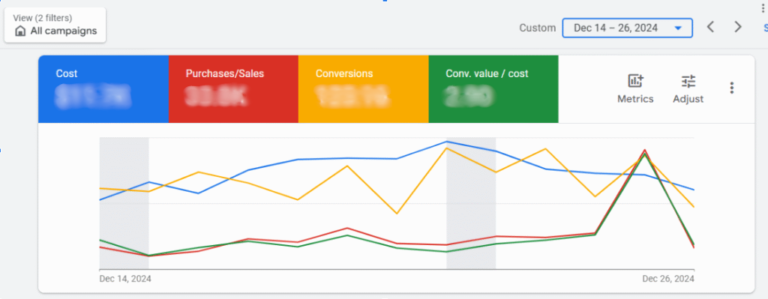
Google Ads:
The Backbone of Intent-Driven Growth Google remains foundational for performance marketing because it captures active intent.When users search, they reveal exactly what they want. In 2025, Google’s ecosystem spans: Search & Shopping YouTube Performance Max campaigns Cross-channel attribution Its strength lies in combining high-intent queries with AI-driven optimization. For brands focused on demand capture and measurable ROI, Google continues to be indispensable. Google is especially effective when: Users are actively looking for solutions Conversions are clearly defined Scale and predictability matter
Meta Ads:
From Social to Performance Engine Meta (Facebook & Instagram) has transformed into a performance-led discovery platform. While users aren’t actively searching, Meta’s AI predicts who is most likely to convert based on behavioral signals. In 2025,
Meta enables: Dynamic creative testing at scale Broad audience expansion Personalized product ads Full-funnel remarketing Meta works best for brands that rely on visual storytelling and repeat engagement—especially in D2C, lifestyle, and e-commerce categories. When paired with search-led platforms, it becomes a powerful growth driver.

Amazon Ads: Performance Where Commerce Happens
For product-led brands, Amazon offers unmatched lower-funnel performance. Unlike other platforms, purchase intent is explicit—and conversions happen within the same ecosystem. Amazon’s ad stack includes:
- Sponsored Products
- Sponsored Brands
- Display across its retail network
Amazon is particularly effective for:
Consumer product brands
Multi-SKU businesses
Marketplace-first strategies
Short-Form Video Networks:
Discovery That Converts (India Focused)
Book your free audit now.
While TikTok is not available in India, the short-form video behaviour it created now dominates user attention across:
Instagram Reels (via Meta Ads)
YouTube Shorts (via Google/YouTube Ads)
Indian platforms like Moj, Josh, ShareChat, and MX TakaTak These platforms function exactly like TikTok in terms of performance potential—driven by algorithmic discovery and high engagement.
Performance marketing in 2025 is driven by intelligence, not just media spend. Ad networks have become AI-powered growth platforms, and success depends on choosing and combining them strategically. Brands that align platforms with audience behavior and funnel stages will outperform those that rely on isolated channels.